
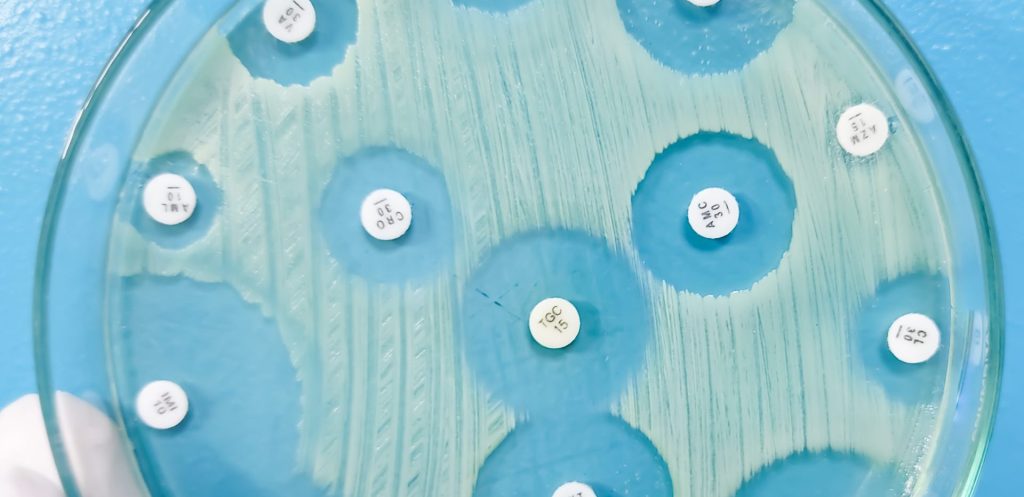
In 1928, Dr. Alexander Fleming’s discovery of penicillin changed medicine. It gave humanity a powerful weapon against infectious diseases, saving countless lives. Fast forward to today, and we are facing a new challenge, which is antimicrobial resistance (AMR). This threatens to undo decades of progress, making previously treated infections deadly once again.
So, what exactly is AMR? In simple terms,it is the ability of microbes such as bacteria, viruses, fungi and protozoa to resist the drugs designed to kill them. This antibiotics, antivirals, antifungals, and antiparasitics stop working. Some of the main culprits are misuse of these drugs and neglecting proper hygiene.
Here in Uganda, hygiene-related infections are a big problem. Germs like E.coli, Staphylococcus aureus, and Salmonella typhi are increasingly common. E. coli causes stomach issues, Staphylococcus aureus leads to sore throats and coughs, and Salmonella typhi causes typhoid. At the root of these infections is poor access to clean water and hygiene practices.
Instead of focusing on the problem the solution is simple, yet incredibly powerful: clean water and hygiene.
Think about it about it when we have clean water,we can wash our hands with soap, keeping disease-causing germs away. We can boil and treat drinking water, ensuring it is safe and germ-free. These basic actions reduce infections and, as a result, lower the need for antimicrobial drugs.
Good hygiene practices are just as crucial. Regular hand washing, proper wound care, and bathing keep germs at bay. Proper disposal of garbage and human waste removes breeding grounds for disease-spreading pests like flies. When communities come together for cleaning drives and hygiene campaigns, the impact is even greater.
The thing about AMR is that it is a cycle. Germs enter our bodies, cause infections, and lead to the use of antimicrobial drugs. Over time, the germs adapt and become resistant. The best way to breaking the use of antimicrobial drugs. Overtime, the germs adapt and become resistant. The best way to break this cycle is to stop germs from entering our bodies in the first place. Prevention really is better than cure. The reality of AMR means we cannot rely solely on treatments anyone. There is no guarantee that the drugs will work. This makes prevention our strongest weapon. Clean water and hygiene may seem like small steps, but their impact is immense.
In conclusion, AMR is a challenge that can be tackled by embracing clean water and water and hygiene as part of our daily lives; we can protect our families, our communities, and ourselves. These simple practices hold the power to save lives and preserve the effectiveness of our medicines. It is up to us to us to act now and secure a healthier future.
WRITTEN BY:
NINSIIMA PRECIOUS
IMMACULATE HEART GIRLS SCHOOL NYAKIBALE
THE VISIONARY WRITER